


 Portugal: Free > €40
 Spain: Free > €50
Import rules for all countries
From Portugal to the United States
From Portugal to Brazil
From Portugal to Argentina
From Portugal to Mexico
Import rules for parcels from Portugal to the United States , including religious articles, are regulated by US Customs and Border Protection (CBP) as of March 2026. The major recent change is the complete suspension of the de minimis exemption (Section 321), which previously allowed shipments up to US$800 to enter without duties/duties and with a simplified process. This suspension went into effect in August 2025 via Executive Order 14324 (and remains in effect in 2026, with some limited exceptions and additional fees in certain cases).
There is no preferential EU-US trade agreement that eliminates generalized tariffs for postal or low-value shipments (negotiations are ongoing, but without broad benefits applicable here). Normal Harmonized Tariff Schedule (HTS) rates apply, with low average rates for most EU goods (0-10%), but currently without exemptions for low values.
1. General Rules for Importing Orders
- Shipping Types :
- Courier/Express (DHL, FedEx, UPS): Faster process; requires formal/informal declaration.
- Postal mail (via USPS): Slower; subject to specific fees for international postal shipments.
- Limits and Input :
- De minimis suspended : There is no longer automatic exemption for shipments ≤ US$ 800 (customs value: product + shipping + insurance). All shipments, regardless of value, are subject to tariffs, taxes, and fees (except for very limited exceptions, such as certain gifts or informational materials).
- Informal Entry (Entry Type 11): For amounts ≤ US$ 2,500 (most common for personal orders).
- Formal Entry (Entry Type 01): Required for items exceeding US$2,500 or regulated items.
- Prohibitions/Restrictions : Religious articles are generally permitted (e.g., images, rosaries, holy books, vestments), provided they are not commercial or counterfeit. Books may receive preferential treatment.
- Procedure : Declare the actual value and contents (underreporting results in high fines). Courier companies process transactions via ACE (Automated Commercial Environment). If your order is detained, pay via the CBP portal.
2. Fees and Taxes Involved
- Duties (Customs Tariffs) : Based on the HTS (Harmonized Tariff Schedule). For EU/Portuguese goods: generally Column 1 General rates (0-10% for most; e.g., plastics/metal 5-6%, wood 0-8%, books/printed materials often 0%).
- Other Taxes/Fees :
- Merchandise Processing Fee (MPF) : ~0.3464% of the value (minimum ~US$ 31-614 for informal).
- Harbor Maintenance Fee (HMF) : 0.125% if via sea.
- Additional charges : In 2026, there are temporary surcharges or IEEPA tariffs in some cases (e.g., a 10% blanket during certain periods), but for the EU/Portugal, these are often limited or exempt in specific sectors (e.g., pharmaceuticals, aircraft).
- Sales Tax / Usage Tax : You may be charged by the destination state (varies from 0-10%+), depending on the seller or platform.
- Example Calculation (order of €100 ≈ US$110, with shipping US$20, total customs ~US$130) :
- Duty: Assuming average HTS 5% → ~US$6.50.
- MPF: ~US$0.45 (but minimum applies).
- State sales tax (e.g., CA 8%): ~US$10.
- Total taxes/fees: ~US$20-40 (15-30% of the value), + shipping/courier fees.
- No de minimis: Even low values pay this now.
3. Specific Rules for Religious Articles
- For individuals (personal use) : No automatic exemption. Treated as community property.
- Religious books (Bibles, devotionals — HTS chapter 49): Often duty 0% (immunity for cultural printed materials).
- Items such as images, crucifixes, rosaries, candles : Duty varies by material (e.g., 9801.00.10 or similar for religious vestments may be 0% in specific cases; generally 0-6%).
- Religious vestments (e.g., chasubles): May qualify for HTS 9810.00.1500 or 9810.00.2500 (tax-free for certain institutions or religious use, but requires proof).
- For Religious Entities (churches, temples) : Possible duty-free or reduction under HTS Chapter 98 (e.g., 9810.00 for articles for non-profit religious institutions). Proof required (e.g., 501(c)(3) status, declaration of non-commercial use). For small shipments, use informal entry and request review; for larger shipments, formal entry with a broker.
4. Practical Tips
- Avoid problems : Declare the real value. Use express courier (better tracking and processing). Track via USPS or courier.
- Shipping from Portugal : No preferential benefits; expect standard rates + clearance fees. Platforms like Amazon or Portuguese websites use courier services.
- Official Consultations :
- CBP: E-Commerce FAQs and Basic Importation .
- HTS search: hts.usitc.gov (search by item description for exact code).
- Calculator: Use messenger tools or CBP for estimates.
- 2026 Updates : Monitor Executive Orders (e.g., temporary surcharges end within certain timeframes). De minimis remains suspended; focus on e-compliance.
From Portugal to Brazil
Import regulations for parcels from Portugal to Brazil, including religious articles, are primarily governed by the Brazilian Federal Revenue Service. I will explain this clearly and in an up-to-date manner (based on data from March 2026), considering the recent changes to the Remessa Conforme Program (PRC), implemented since August 2024. Note that the rules may vary depending on the value of the parcel, the type of shipment (postal or express), and whether the sender/recipient is an individual or a religious entity. I always recommend consulting the official website of the Federal Revenue Service or a customs broker for specific cases, as there are frequent updates and they depend on the NCM (Common Nomenclature of Mercosur) of the product.
1. General Rules for Importing Orders
- Shipping Options : Orders can arrive via the Post Office (postal shipments) or express companies (such as DHL, FedEx). The limit for the simplified regime is up to US$3,000 (approx. R$16,500, depending on the dollar exchange rate). Above that, formal import with licenses and more bureaucracy is required.
- Compliant Shipping Program (PRC) : If the purchase is made on certified platforms (e.g., AliExpress, Shein, Amazon – see the list on the Revenue Service website), taxes are paid at the time of purchase, and customs clearance is faster. Outside of the PRC, you pay upon arrival, with possible retention for inspection.
- Customs Value : Includes product price + shipping + insurance (if applicable). Use the official customs calculator for simulations: Tax Calculator .
- Prohibitions and restrictions : Religious articles are generally allowed, but items such as weapons, drugs, or dangerous goods are prohibited. For shipments via postal service, there are international restrictions (e.g., from 2026, international registered mail from Portugal via CTT only accepts documents, not goods; use express delivery for physical items).
- Changes in 2026 : Due to the Tax Reform (approved in 2023), starting in January 2026, taxes such as IBS and CBS will be integrated into imports, replacing some of the current taxes (e.g., PIS/COFINS). This may increase the tax base, but for low-value orders, the import tax and ICMS rates will remain similar. Furthermore, all imports must include the cClassTrib code per item.
2. Fees and Taxes Involved
There is no general exemption for low values (unlike in the past). Taxes are levied starting at US$0.01. Main points:
- Import Tax (II) : Federal, calculated on the customs value.
- No PRC:
- Up to US$50: 20%.
- From US$50 up to US$3,000: 60%, with a US$20 discount on the tax due.
- Outside of the PRC: 60% off the total value (no discount).
- No PRC:
- ICMS (Tax on the Circulation of Goods and Services) : State tax, rate of 17% in most states (may be 20% in some, such as São Paulo since 2025). Calculated "internally" on (customs value + import tax).
- Other Costs :
- Siscomex Usage Fee: R$ 0 (for simplified procedures) or up to R$ 185 for formal procedures.
- Postal service fee: R$ 15 per package for handling (if sent via postal service).
- Shipping and Insurance: Added to the price.
- Penalties: Up to 100% of the tax if there is underreporting or irregularities.
Example Calculation (for an order of €100 ≈ US$110 ≈ R$600, hypothetical exchange rate of R$5.45/US$) :
- No PRC: II = 60% of US$110 = US$66 - discount US$20 = US$46 (≈ R$251). ICMS (17%) ≈ R$124. Total taxes ≈ R$375 + Correios fee R$15 = R$390 (approximately 65% of the value).
- Outside the PRC: Import tax = 60% = US$66 (≈ R$360). VAT ≈ R$150. Total ≈ R$525 (87% of the value).
3. Specific Rules for Religious Articles
- For Individuals : There is no automatic tax exemption simply because the items are religious articles (e.g., images, rosaries, candles, Bibles). The general rules above apply. However:
- Religious books (e.g., Bibles, devotionals) : Zero import tax rate (NCM 49.01), due to constitutional immunity for printed materials (art. 150, VI, d, CF). Even so, it pays ICMS (17%) and handling fees.
- Other items (e.g., statues, crucifixes): Import tax rate varies by NCM (e.g., 20% for wood, 18% for plastic), but is generally 60% under the simplified regime.
- If the value is very low and the item is for personal use without commercial purposes, it may be released without inspection, but taxes will still apply.
- For Religious Entities (Churches, Temples) : There is constitutional tax immunity (article 150, VI, b, CF) for taxes on assets, income, and services related to essential purposes (worship and social assistance). For imports:
- Import Tax Immunity : The Brazilian Supreme Court (STF) recognizes that religious entities qualified as charitable organizations can be exempt from import duties (II), excise tax (IPI), and sales tax (ICMS) on goods imported for their own use (not for sale), if the religious/charitable purpose is proven (Opinion PGFN 347/2024). In São Paulo, for example, there has been an explicit ICMS exemption for imports since 2024.
- How to Obtain : You need a declaration of origin, invoice, and proof (e.g., the entity's bylaws). You can save up to 60% on taxes. For sales (even to church members), there is no exemption (COSIT 261/2018).
- Procedure : Import via formal import regime if high value; for low value, use PRC and request post-arrival exemption via appeal.
4. Practical Tips
- How to Avoid Problems : Declare the value and contents correctly. Use tracking (postal service or courier). If detained, pay via My Imports on the Customs website.
- Origin in Portugal : There is no preferential trade agreement between Mercosur and the EU in 2026 (still under negotiation), so normal rates apply. Shipments via CTT: Use express delivery for goods, as international registered mail is now only for documents.
- Official Consultations :
- Brazilian Federal Revenue Service: Remittance Manual .
- TIPI (tax rates by NCM): Search TIPI .
- For entities: Consult the PGFN (Brazilian Federal Attorney General's Office) or a tax attorney.
- Updates 2026 : With the Reformation, monitor IBS/CBS, which may impact religious digital services (e.g., imported prayer apps).
From Portugal to Argentina
Import regulations for parcels from Portugal to Argentina , including religious articles, are governed by ARCA (Agencia de Recaudación y Control Aduanero, formerly AFIP/Customs) as of March 2026. There are two main regimes for international shipments: Puerta a Puerta (via Correo Argentino, slower and with low postage) and Régimen de Pequeños Envíos / Courier (via express companies such as DHL, FedEx, UPS, faster and with higher postage since the 2024-2025 changes).
The rules differ considerably from Brazil: Argentina relaxed them significantly in 2024-2025 (increasing limits and reducing taxes for personal purchases), but still charges taxes even on low values in many cases. Religious articles are generally classified as common goods (without automatic exemption for individuals), but religious entities may receive benefits on larger imports.
1. General Rules for Importing Orders
- Shipping Types :
- Door-to-Door (Argentine Post) : For personal use, up to US$3,000 per shipment (CIF value: product + shipping + insurance). Maximum weight 20 pounds per package. Up to 12 shipments per year with postage.
- Courier / Small Shipments (express) : Up to US$3,000 per shipment, weight up to 50 kg per package (regardless of total weight), up to 3 units of the same type, non-commercial purpose. Limit of 5 shipments per year per person.
- Franchises and Exemptions :
- Door-to-Door: $50 franchise fee per shipment (first 12 shipments/year). If ≤ $50 → no tax. Above → 50% on the excess (or 50% of the total after 12 shipments).
- Courier: $400 allowance per shipment (excluding customs duties and statistical fees). Only VAT (21%) is payable. Above $400 up to $3,000 → customs duties are payable (generally 50-67% combined, depending on the item) + VAT.
- Prohibitions/Restrictions : Religious articles are permitted (e.g., images, rosaries, holy books), provided they are not commercial. Printed books may receive preferential treatment (exemption or reduction in some cases due to laws promoting books).
- Origin Portugal/EU : There is no active Mercosur-EU preferential agreement in 2026 (negotiations stalled), therefore normal tariffs apply (no automatic reduction).
- Procedure : Declare the value and contents correctly. For door-to-door delivery, use the Correo Argentino portal (epago.correoargentino.com.ar). For courier services, the company handles the declaration.
2. Fees and Taxes Involved
- Import Duties (Tariffs) : Federal, varies by NCM (tariff classification). In the simplified regime, often calculated as 50% effective on surplus.
- ICMS : 21% on customs value (product + freight + insurance + duties, if applicable).
- Other : Statistics fee (waived with courier service), Correo handling fee (fixed, approximately ARS equivalent to a few dollars), shipping costs.
- Example Calculation (order of €100 ≈ US$110, hypothetical exchange rate) :
- Door-to-Door (within 12 shipments): If US$110 → US$50 deductible → pay 50% on the US$60 excess = US$30 (≈ARS 30,000-40,000 depending on the exchange rate) + VAT on the total + Correo fee.
- Courier (if ≤ US$400): Only 21% VAT (≈US$23) + shipping/fees. No customs duties.
- Above: Taxes + VAT can reach 50-70% of the total.
3. Specific Rules for Religious Articles
- For individuals (personal use) : No automatic exemption. Treated as common goods. Religious books (Bibles, etc.) may have a 0% or low NCM tax (due to the Book Promotion Law), but you still pay VAT and possibly other taxes. Items such as statues, crucifixes: average tax 10-35% depending on the material + VAT.
- For Religious Entities (churches, temples) : There is recognition of tax benefits for religious institutions (e.g., exemptions on income and assets under the Constitution and laws). For imports:
- Possible exemption or reduction of duties/ICMS on goods for religious purposes (worship, without resale), but requires proof (legal entity, declaration of non-commercial use).
- It is not automatic as in Brazil; it requires a special regime or a request to ARCA (e.g., formal import with a request for exemption/franchise).
- For low values, use a courier service and request a case-by-case analysis.
4. Practical Tips
- Avoid problems : Declare the real value (underdeclaration generates high fines). Use tracking. If held, pay via the ARCA portal or Correios (Brazilian postal service).
- Shipments from Portugal : Use express courier (not regular mail, as Correo Argentino has restrictions in some cases). Platforms like Amazon or European websites can use certified couriers.
- Official Consultations :
- ARCA: Envíos Internacionales or Puerta a Puerta .
- Argentine Post Office: ePago portal for tax returns.
- NCM/Tariffs: Search in the Mercosur Common Nomenclature (via ARCA).
- Updates 2026 : The 2024 courier rules (US$3,000 and US$400 deductible) remain in effect. Monitor for changes in the Budget Law or decrees.
From Portugal to Mexico
The rules for importing parcels from Portugal to Mexico , including religious articles, are regulated by ANAM (Agencia Nacional de Aduanas de México, ex-SAT/Aduanas) as of March 2026. Mexico has a simplified regime for low-value shipments via paquetería/courier (express companies like DHL, FedEx, UPS) and postal service (Correos de México), focusing on combating undervaluation and illegal imports (especially from China, but affecting all third countries).
There is no active EU-Mexico preferential trade agreement for widespread exemptions in 2026 (the EU-Mexico FTA is under negotiation/modernization, but without broad benefits for postal shipments). Normal rates apply, with differences by origin (USMCA benefits the US/Canada).
1. General Rules for Importing Orders
- Shipping Types :
- Parcel/Courier (simplified procedure, rule 3.7.35 RGCE) : Up to US$2,500 per shipment (customs value: product + freight + insurance). Registration in the Importers' Standard is not required for values ≤ US$1,000 (in some cases). The annual limit per person is not strict, but monitored.
- Postcard (Mexico Post Office) : Similar, but slower; low values use a simplified system.
- Franchises/Exclusions :
- Shipping ≤ US$ 50: Usually tax-free (including import tax and VAT in some cases), but depends on the origin.
- Above US$50: High global tax applies.
- Recent changes (effective in 2026) :
- Since August 2025, the global rate for parcels has risen to 33.5% on the customs value for goods from countries without a free trade agreement (such as Portugal/EU), including VAT + VAT + other taxes.
- For T-MEC origin (USA/Canada): Benefits — e.g. ≤ US$ 50 exempt; US$ 50-117: ~17%; > US$ 117: 19%.
- Does not apply to Portugal: full tax of 33.5% in many cases above US$50.
- Procedure : Declare the actual value and contents. Courier companies process a simplified request (T1). If retained, pay via the SAT/ANAM portal or app.
2. Fees and Taxes Involved
- General Import Tax (IGI/Aranceles) : Varies by NCM (Tarifa de la Ley de los Impuestos Generales de Importación y Exportación), but in the simplified version it uses a global rate.
- ICMS : 16% (or 8% at the border) on customs value + IGI.
- Simplified Global Rate (main rate for parcels) : 33.5% on total value (product + freight + insurance) for non-T-MEC goods above US$50 (includes IGI + part of VAT/other).
- Other Costs : Courier handling fee (~US$ 10-30), freight, possible DTA (Customs Transit Fee).
- Example Calculation (order of €100 ≈ US$110, hypothetical exchange rate) :
- Customs value ~US$130 (including shipping).
- General rate 33.5% ≈ US$43.5.
- VAT 16% on total ≈ US$27.
- Total taxes ≈ US$70-80 (approximately 55-70% of the value), plus courier fees.
- If ≤ US$50: Possibly 0% (but rare for Portugal).
3. Specific Rules for Religious Articles
- For individuals (personal use) : No automatic exemption. Treated as community property.
- Religious books (Bibles, devotionals): Many NCM codes have a 0% IGI (due to cultural promotion/book laws), but still pay 16% VAT and global tax if applicable.
- Items such as images, crucifixes, rosaries, candles: IGI varies (e.g., 5-20% by material — wood, plastic, metal), + overall rate of 33.5% in the simplified system + VAT.
- For Religious Entities (churches, temples) : Mexico recognizes benefits for religious institutions (e.g., VAT exemptions for religious services, but not generalized to imports).
- Possible special regime for imports intended for religious services (without resale), with a request for exemption/reduction via ANAM/SAT (requires proof: registration as a religious association, declaration of non-commercial use).
- Not automatic for small shipments; for high values, use formal import with a customs agent and request for a duty-free/exemption.
- Books/printed materials: Higher chance of IGI 0%.
4. Practical Tips
- Avoid problems : Declare the real value (underdeclaring generates high fines, up to 100-150%). Use express courier (better than postal mail for goods). Always track your shipment.
- Shipping from Portugal : No preferential benefits; expect high taxes on orders over US$50. Platforms like Amazon EU or Portuguese websites use courier services.
- Official Consultations :
- ANAM/SAT: Mensajería and Paquetería and RGCE 2026.
- Calculator/Tariffs: Search for NCM in TIGIE (Tariff) or SAT portal.
- For entities: Consult a customs agent or SAT for special regimes.
- Updates 2026 : RGCE 2026 in effect since January; focus on electronic control and combating undervaluation. Monitor DOF for changes (e.g., extensions such as in the Electronic Value Manifestation until April 2026 in some cases).
Latest products


MY-agata-cornalina-pul
|
Catholic bracelet of natural carnelian agate
Shipping 1 to 3 days
€4,47 EUR


MY-0040-FML-290
|
Sacred Heart of Jesus and Mary necklace and medal in stainless steel
Shipping 1 to 3 days
€5,28 EUR


Our Lady of Fatima
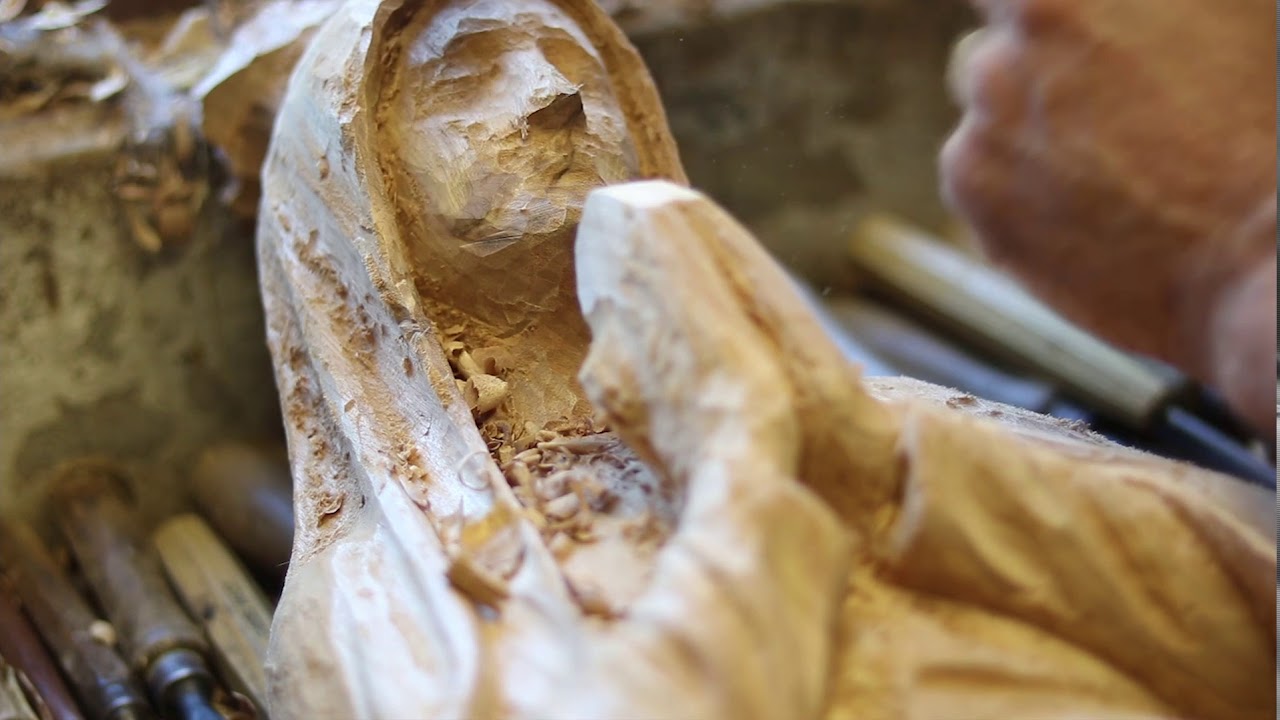
"From tree trunk to work of art... 🤫 Uncover the secrets behind creating our wooden statues in this exclusive video!" 100% manual work in Portugal.

Chaplet of Fatima
"🙏 Each bead, a knot, a prayer. Discover the art and dedication behind the creation of our rosaries. Watch the video!" 100% manual work in Portugal.

Statue painting
The art of painting on wood raised to the highest level. 🎨🖌️ Discover the meticulous process and passion we dedicate to every detail of our statues. Watch the video!"